


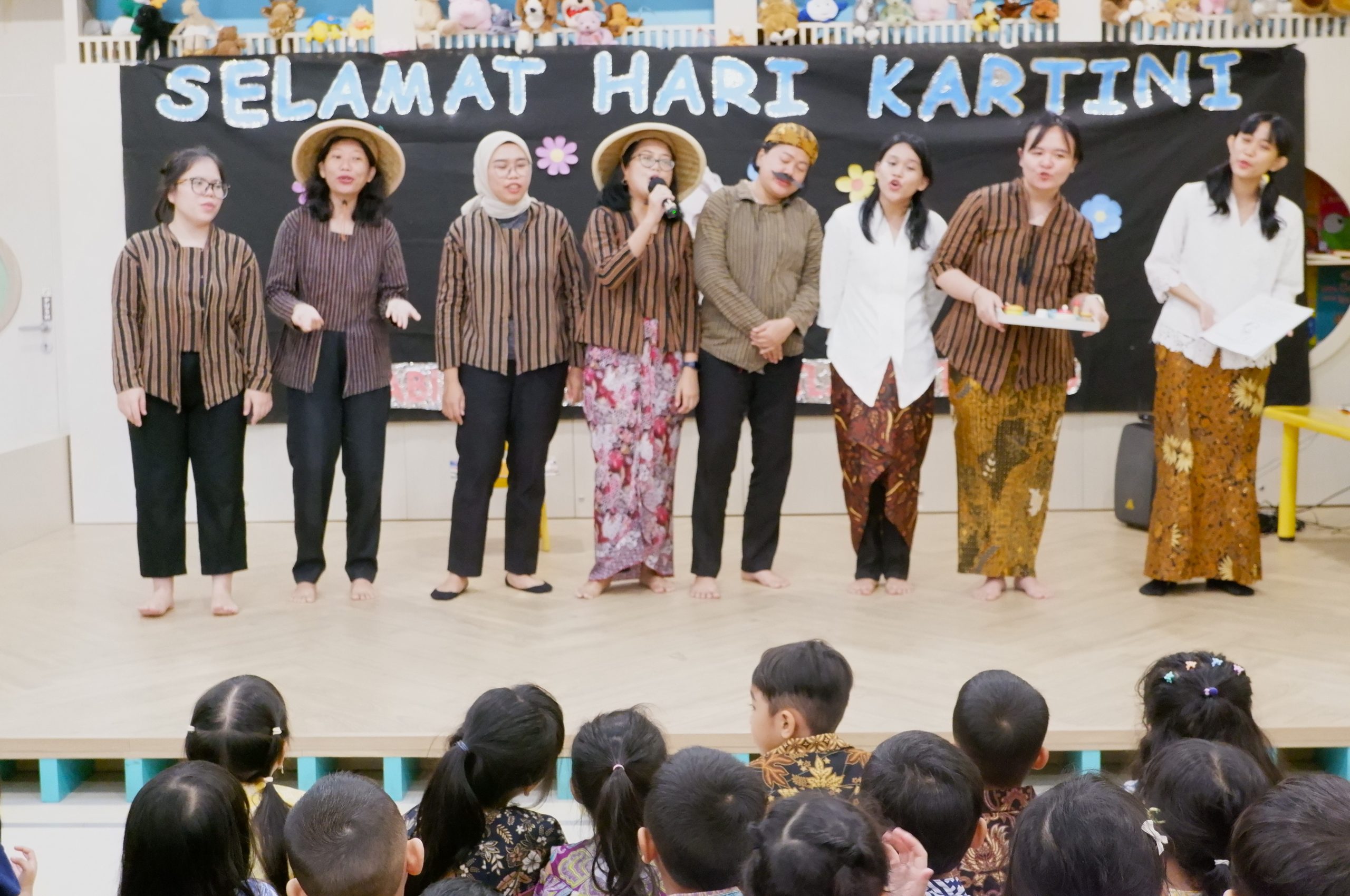
Raden Ajeng Kartini was born on April 21, 1879, in Jepara, Central Java. She came from a noble Javanese family that strongly upheld traditional values. Although she had the opportunity to attend a Dutch primary school, like many women of her time, Kartini was required to stay at home once she reached her teenage years.
However, these limitations did not weaken Kartini’s spirit to learn and advocate for change. Through correspondence with friends in the Netherlands, reading important literary works, and establishing schools for girls, Kartini became a pioneer of women’s emancipation and education in Indonesia.
Lessons We Can Learn from Kartini
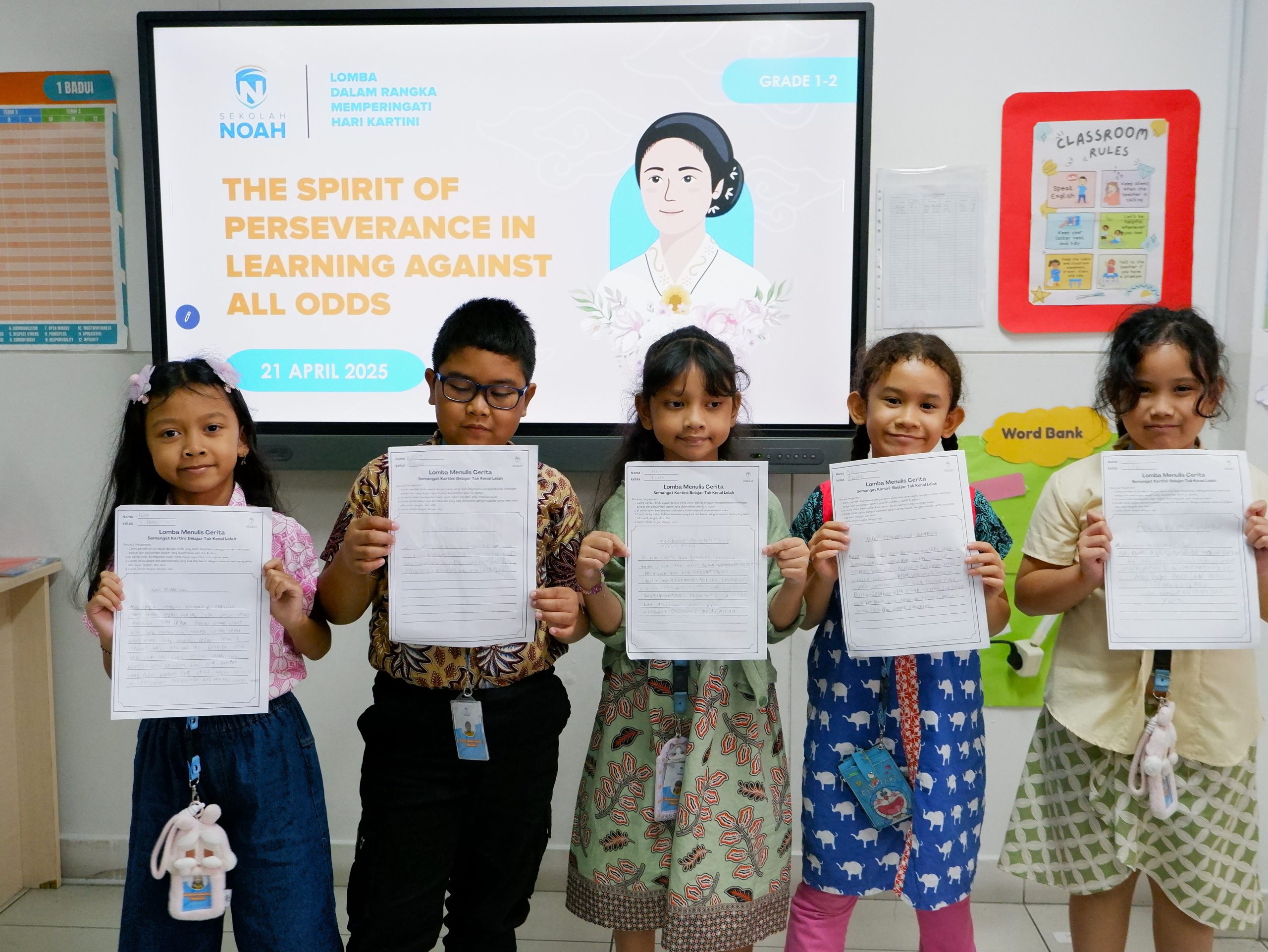
Kartini’s spirit and struggle continue to inspire education today. Here are three remarkable qualities from Kartini that can serve as inspiration for the younger generation:
-
Actively Asking Questions and Engaging in Discussions
Kartini was known for her critical mind and courage to ask questions. She frequently wrote letters to prominent figures of her time to discuss issues of education and equality. One of her most famous correspondences was with J.H. Abendanon, the Head of the Department of Education, Religion, and Industry in the Dutch East Indies. In these letters, Kartini questioned the social systems that limited women’s rights and explored solutions.
-
Diligently Reading
Despite limited access to education, Kartini continuously enriched her knowledge through reading. She read many important literary and social works in Dutch, such as Max Havelaar by Multatuli, De Stille Kracht by Louis Couperus, and De Kleine Johannes by Frederik van Eeden.
These books broadened Kartini’s understanding of justice, culture, and life beyond her immediate surroundings. Moreover, through her reading habits, it was evident that Kartini had mastered more than one language.
-
Helping Others
Kartini was not only committed to her own learning but also worked to elevate the status of indigenous women. One of her significant contributions was establishing the Kartini Schools, schools for girls in Bogor, Semarang, Surabaya, Yogyakarta, and Malang. Through education, Kartini empowered many women with the knowledge and skills needed to live independently.
How Sekolah NOAH Embodies Kartini’s Values
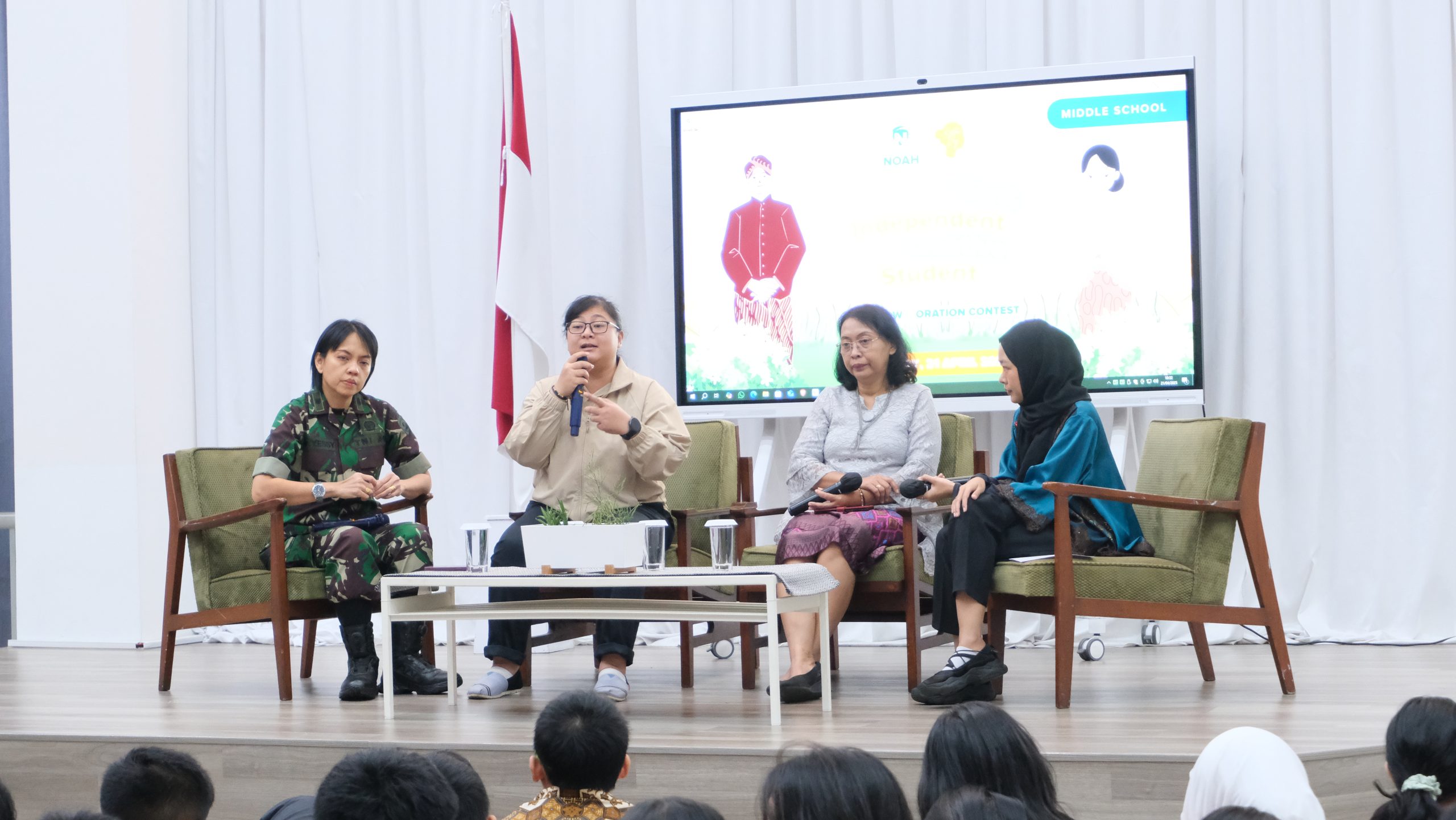
Momen Hari Kartini, Siswa SMP NOAH mengikuti talkshow yang menghadirkan perempuan-perempuan inspiratif
Kartini’s ideas have continued to influence education in Indonesia for generations, and this influence extends to Sekolah NOAH. As a school that integrates the national curriculum with the Cambridge curriculum, Sekolah NOAH fosters the values of independence, curiosity, and social responsibility in its students — values that align with Kartini’s spirit.
1. Encouraging Students to Actively Discuss
Sekolah NOAH encourages students to be brave in asking questions, engaging in discussions, and expressing their opinions. The Cambridge curriculum emphasizes active learning, where students are trained to think critically and explore a wide range of ideas.
2. Nurturing a Love of Reading
Every building at Sekolah NOAH is equipped with a cozy and resourceful library, offering books not only in Indonesian but also in English. With these facilities, students are encouraged to make reading a daily habit, enriching their knowledge just as Kartini did through her love of books.
3. Shaping a Caring Spirit
Through the Learning to Give program, Sekolah NOAH involves students directly in community service activities around the school area. This program teaches children the importance of sharing and caring for others, continuing the spirit of kindness and social responsibility that Kartini championed.
4. Kartini’s Noble Values Remain Relevant Today
The noble values of Raden Ajeng Kartini remain highly relevant today, especially in the field of education. At Sekolah NOAH, Kartini’s spirit lives on through a learning environment that fosters curiosity, literacy, and social care — shaping future generations with strong character and a global mindset.
(NOAH)