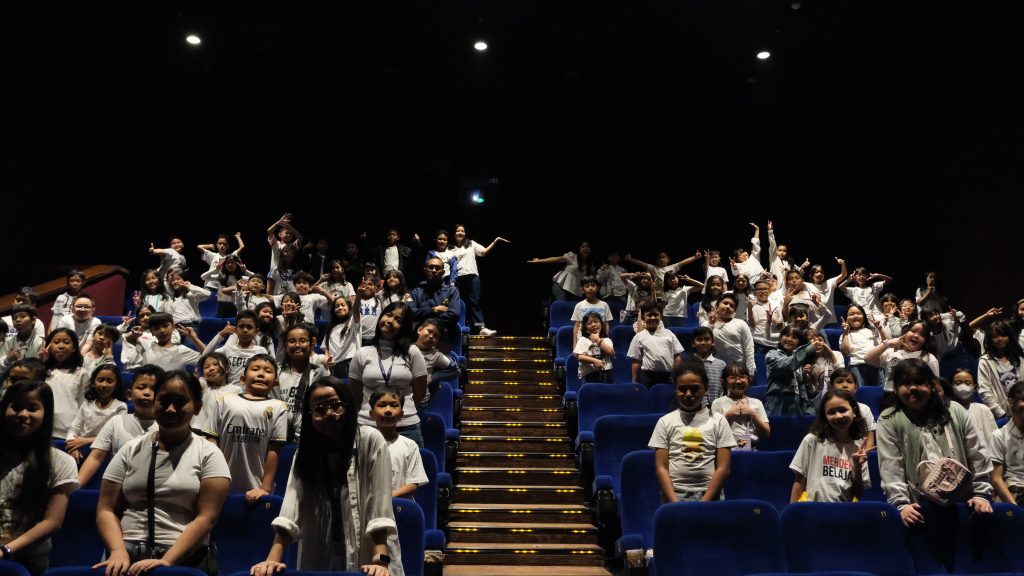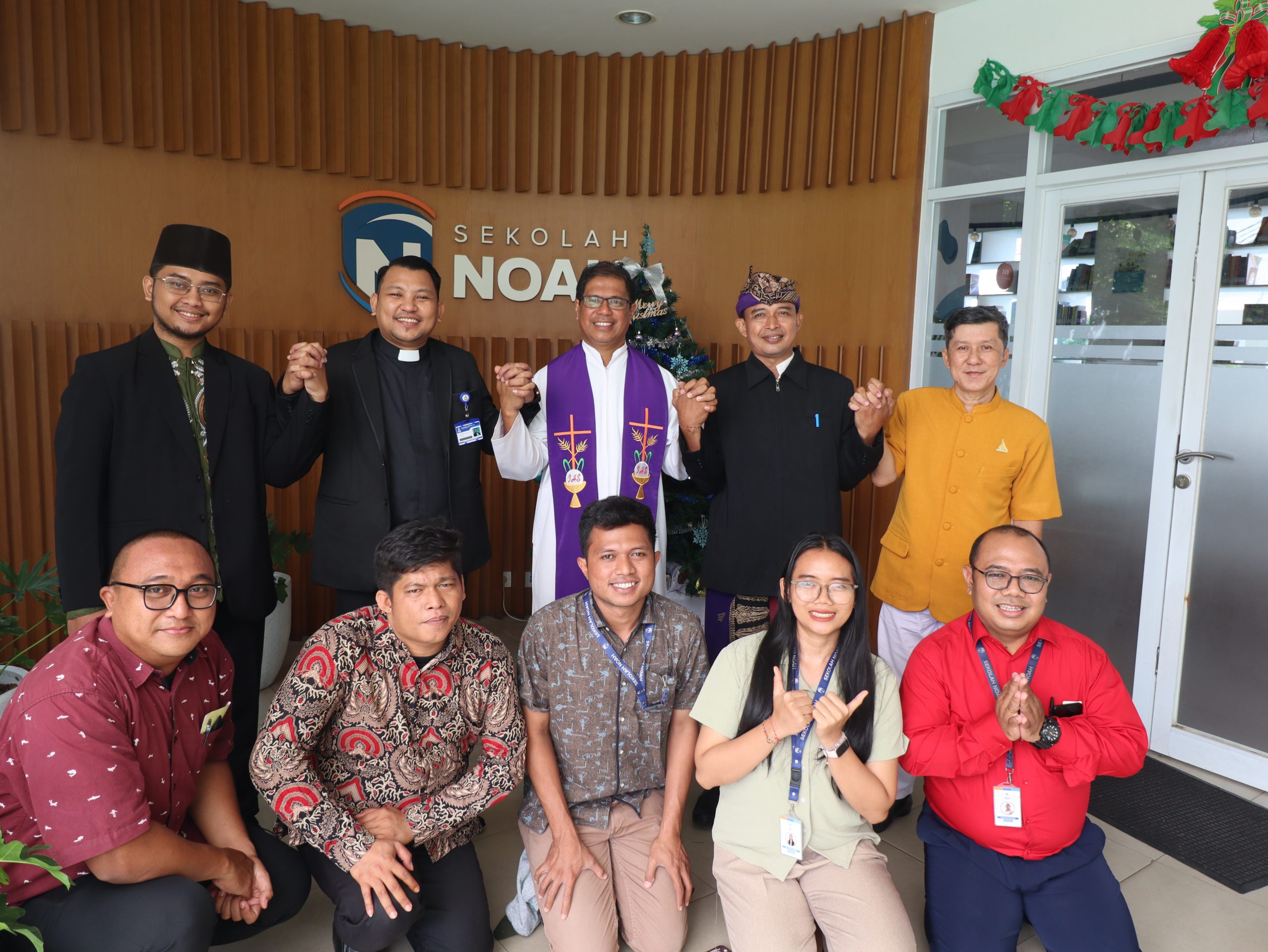
In today’s rapidly evolving world filled with overwhelming information, religious education plays a vital role in shaping individuals who are spiritually grounded, morally upright, and purpose-driven. While religious upbringing is often seen as a responsibility of the family, schools provide a structured and formal environment to reinforce these moral values—not to replace, but to complement what is taught at home.
Religious Education as a Foundation for Ethical Values

In his book Ilmu Pendidikan dalam Perspektif Islam, Prof. Dr. H. Ahmad Tafsir emphasizes that religious education is essential for developing the human character as a whole—body, mind, and soul. Through religious education at school, students learn universal values such as honesty, compassion, tolerance, and responsibility. These are in line with the first principle of Pancasila: Belief in the One and Only God, which serves as the moral foundation of the Indonesian nation.
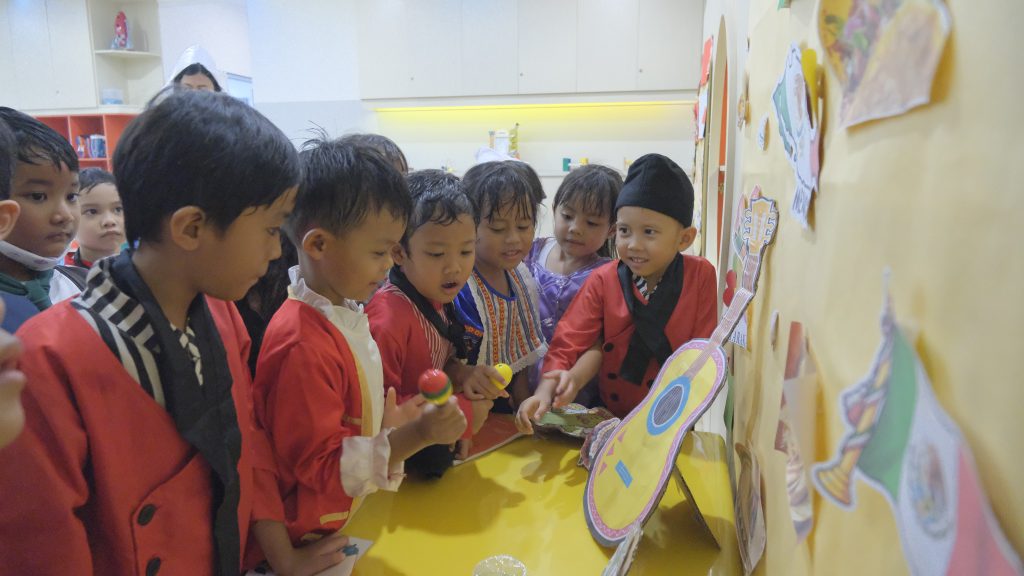
At NOAH School, for example, these values are not only taught theoretically but are also applied through real-life practices such as the “Learning to Give” program. In this initiative, students are actively encouraged to share and contribute to the surrounding community, instilling a sense of social responsibility rooted in faith.
Fostering Leadership through Religious Education
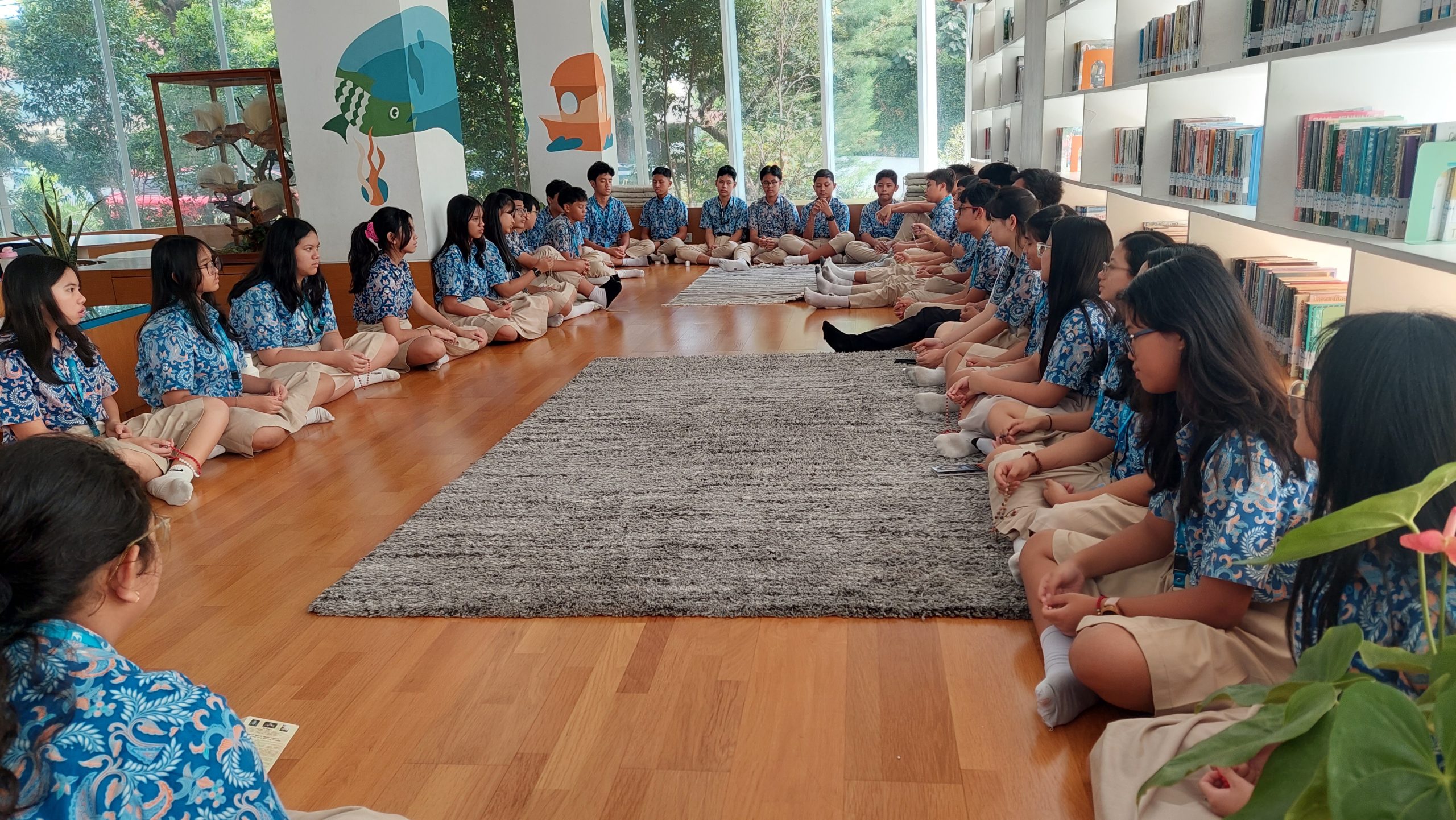
Religious education is not merely about developing religious knowledge—it also shapes students into just, empathetic, and responsible leaders. Every student has the potential to lead, and it is crucial that they understand leadership as a entrustment that must be carried out with integrity.
Schools like Sekolah NOAH, which prioritize character education, continuously integrate religious values into students’ daily routines. This alignment ensures that character development is grounded in spirituality, making it both strong and relevant to real-world challenges.
Building Mental Resilience and a Purposeful Life
In the digital era, students are exposed to immense pressure—often related to appearance, achievement, or social expectations. According to Lisa Miller in her book Spiritual Development in Childhood and Adolescence, adolescents who receive proper spiritual education tend to have stronger mental resilience and emotional well-being.
Religious education helps students develop inner strength, preparing them to face life’s challenges with confidence and meaning. It teaches them to reflect on their purpose in life, not merely in terms of material success but through the lens of service, faith, and humanity.
Strengthening Pancasila Values through Religious Education
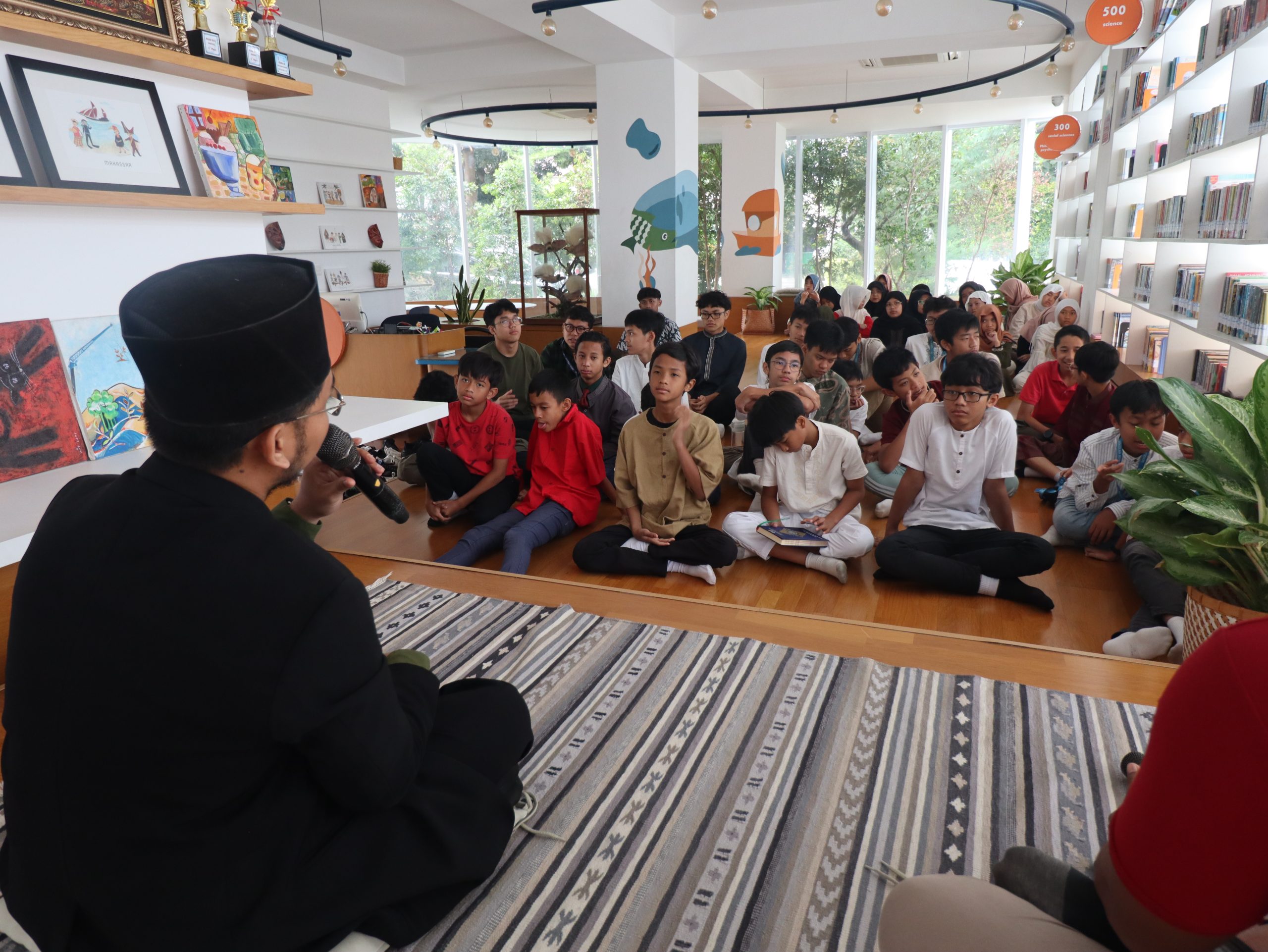
Sekolah NOAH was founded out of a commitment to strengthening the implementation of Pancasila values, particularly the first principle: Belief in the One and Only God. Every decision and policy direction in the school is consistently rooted in religious education. As a result, students are encouraged not to see religion merely as a school subject, but as a guiding principle for life.
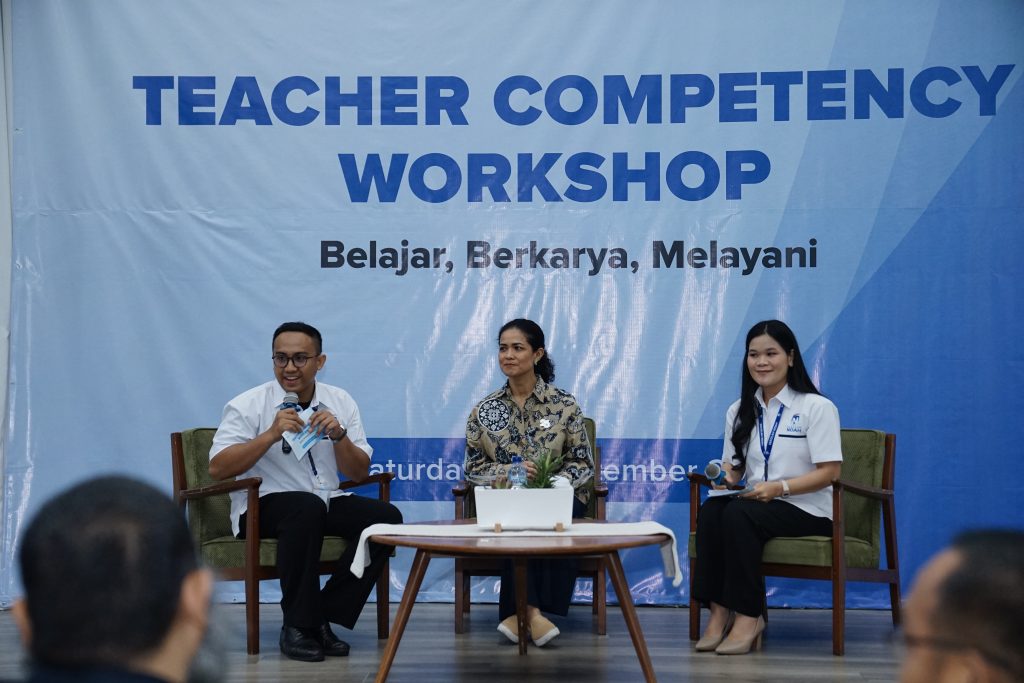
Consistently, Sekolah NOAH prepares religious education teachers who possess both integrity and academic qualifications appropriate to each faith. Students are guided to use divine values as a foundation in making decisions and taking action, shaping them into leaders of integrity who are resilient in the face of life’s challenges.
(Sekolah NOAH)